
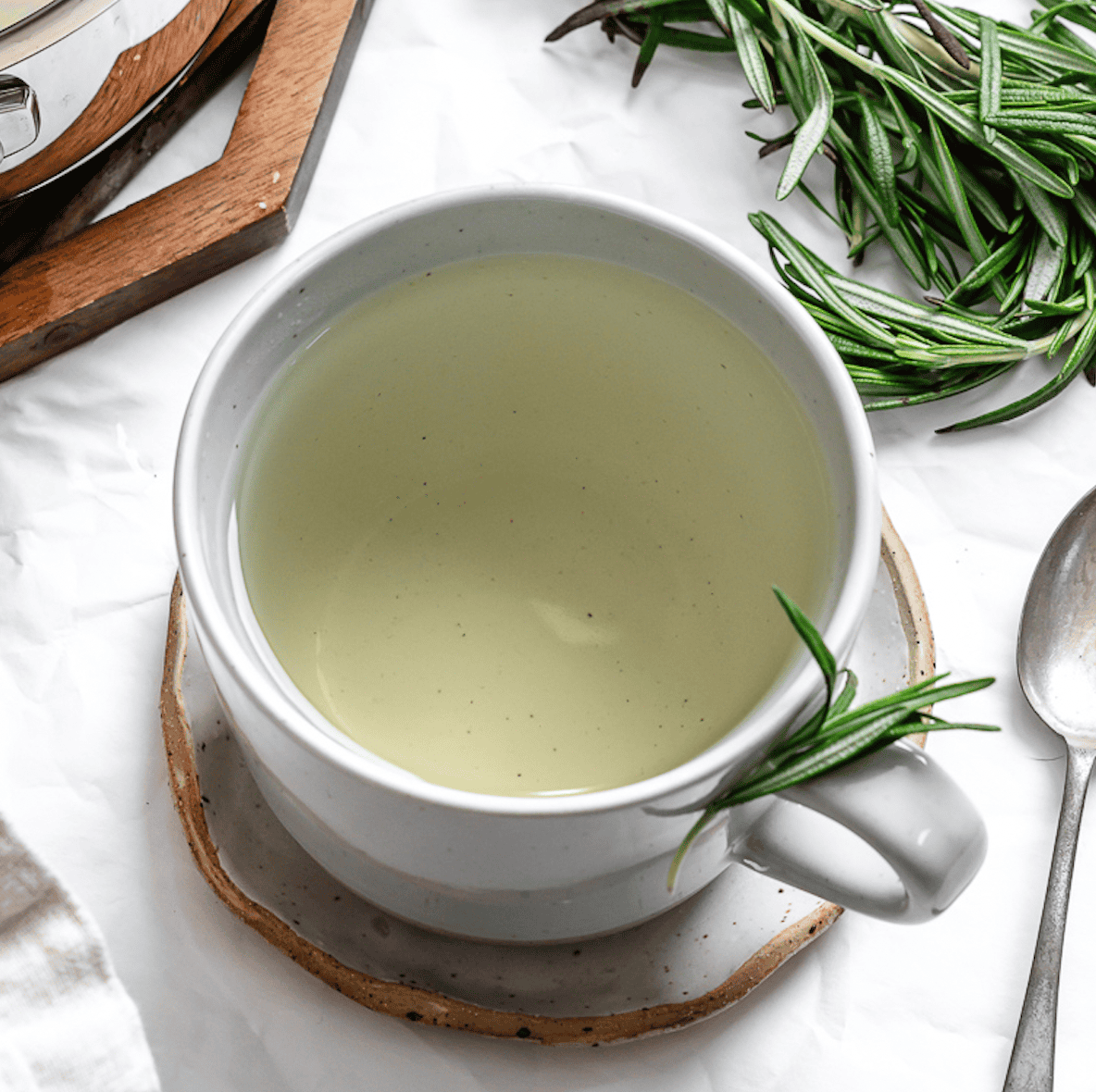
Imagine wrapping your hands around a warm cup, while the invigorating aroma of rosemary envelops you. Rosemary Tea is not just a beverage; it’s a soothing experience that combines earthy notes with a fragrant hint of pine. This delightful infusion is perfect for moments of quiet reflection, cozy afternoons, or even as a comforting remedy after a long day.
The unique taste of rosemary adds a dimension that elevates your tea-drinking ritual, making every sip a fragrant journey that awakens your senses. Whether you’re looking to unwind or boost your focus, this tea fits the bill, and it’s surprisingly easy to prepare.
In this article, you will discover how to make Rosemary Tea, including tips on selecting fresh herbs and variations to customize your brew. Get ready to bring a touch of nature into your cup and enjoy a refreshing sip of tranquility!
Why You’ll Love This Rosemary Tea
This refreshing herbal infusion is not only soothing but also brings a unique flavor twist to your beverage repertoire. Here’s why you’ll want to brew a cup today:
- Quick and easy to make — Just steep fresh or dried rosemary in hot water for an invigorating drink in minutes.
- All-natural ingredients — With just rosemary and water, you’ll know exactly what’s in your cup.
- Health benefits — Rosemary is known for its antioxidant and anti-inflammatory properties, supporting overall wellness.
- Budget-friendly — A cost-effective way to enjoy a delightful herbal tea without breaking the bank.
- Versatile flavor — Enjoy it hot or iced, making it perfect for any season and occasion.
- Impressive for guests — Serve a unique herbal tea that’s sure to wow your friends and family.
- Calm and comforting — A perfect way to unwind at the end of a long day, promoting relaxation.
Ingredients
For the Rosemary Tea
- 2 cups water
- 2 tablespoons fresh rosemary leaves (or 1 tablespoon dried rosemary)
- 1 tablespoon honey (optional, for sweetness)
- 1 slice lemon (optional, for flavor)
Equipment Needed
- Teapot or heatproof infuser
- Measuring cup (for water)
- Fresh rosemary sprigs or dried rosemary
- Fine mesh strainer (if using loose leaves)
- Teacup or mug
- Tea kettle or pot (for boiling water)
- Herb scissors (optional but helpful for chopping rosemary)
How to Make Rosemary Tea
- Boil water. In a kettle, bring 2 cups (480 ml) of fresh water to a rolling boil (approximately 212°F or 100°C).
- Measure rosemary. While the water is heating, gather 2 teaspoons of dried rosemary or 1 tablespoon of fresh rosemary leaves, and set aside.
- Add rosemary. Once the water reaches a boil, remove it from heat and add the measured rosemary directly into the pot.
- Steep the tea. Cover the pot and let the rosemary steep for 5 to 10 minutes, depending on your preferred strength. For a lighter flavor, steep for 5 minutes; for a stronger taste, stick with 10 minutes.
- Strain the tea. Using a fine mesh strainer, pour the tea into a cup, separating the liquid from the rosemary leaves.
- Sweeten if desired. Add honey, sugar, or lemon juice to taste, stirring well to incorporate any sweeteners.
- Enjoy your tea. Sip and relax with your warm cup of rosemary tea. Feel free to garnish with a sprig of fresh rosemary for added aroma.
Tips for the Best Rosemary Tea
- Use fresh rosemary for stronger flavor — While dried rosemary can work, fresh rosemary leaves provide a more vibrant and aromatic tea. Opt for organic if possible.
- Steep at the right temperature — Boil water and let it cool for 1-2 minutes before pouring over the rosemary. This preserves its essential oils without burning the leaves.
- Consider ingredient substitutions — If you’re avoiding caffeine, use herbal teas like chamomile or a mix of mint with rosemary for a refreshing alternative.
- Sweeten wisely — Try honey, agave syrup, or maple syrup to sweeten your tea without overwhelming the rosemary’s natural flavor. Start with a teaspoon and adjust to your taste.
- Don’t skip the straining — Use a fine mesh strainer or a tea infuser to avoid gritty bits in your tea. This enhances the drinking experience.
- Make it ahead — Brew a larger batch and refrigerate for up to a week. Enjoy chilled or heat it up for a comforting drink any time.
Variations to Try
- Lemon rosemary tea — Add slices of fresh lemon during steeping for a citrusy twist.
- Spiced rosemary tea — Incorporate a stick of cinnamon or a few cloves for added warmth and depth.
- Rosemary mint infusion — Combine with fresh mint for a refreshing, invigorating blend perfect for warm days.
- Ginger rosemary tea — Add slices of fresh ginger to the brew for a zesty kick and extra health benefits.
How to Store Rosemary Tea
Room Temperature: Rosemary tea is best enjoyed fresh. If left at room temperature, consume within 2 hours to ensure freshness and safety.
Refrigerator: Store leftover rosemary tea in an airtight container for up to 5 days. Make sure to cool it completely before sealing to avoid condensation.
Freezer: While not ideal, you can freeze rosemary tea. Portion it into ice cube trays for easy use. Once frozen, transfer the cubes to a freezer-safe bag, keeping for up to 3 months.
How to Reheat
To reheat, warm the tea on the stovetop over low heat until steaming, about 5-10 minutes. Alternatively, microwave in 30-second intervals until hot, stirring in between.
Make-Ahead Tips
You can brew rosemary tea in advance and store it in the refrigerator for quick access. You can also prepare rosemary-infused water to enhance flavor, storing it similarly.
Nutrition Information
Estimated values per serving. Nutrition may vary based on ingredients used.
| Serving Size | 1 cup (240 ml) |
| Calories | 2 kcal |
| Total Fat | 0g |
| Saturated Fat | 0g |
| Carbohydrates | 0.5g |
| Fiber | 0g |
| Sugar | 0g |
| Protein | 0g |
| Sodium | 10mg |
Frequently Asked Questions
Can I use dried rosemary instead of fresh?
Yes, you can use dried rosemary in place of fresh. Use about one-third the amount, as dried herbs are more concentrated in flavor.
Is rosemary tea gluten-free and vegan?
Absolutely! Rosemary tea is naturally gluten-free and vegan, making it suitable for various dietary preferences.
How should I store leftover rosemary tea?
Store any leftover tea in an airtight container in the refrigerator for up to three days. Reheat on the stove or in the microwave before serving.
Can I double this recipe?
Yes, you can easily double the recipe! Just ensure your pot is large enough to accommodate the extra ingredients.
Why did my rosemary tea taste too bitter?
If your tea tastes bitter, it might be due to over-steeping. Aim for 5-10 minutes of steeping to avoid releasing too many tannins.
What are some good serving suggestions for rosemary tea?
Rosemary tea pairs well with honey or lemon for added flavor. It also complements savory snacks like crackers and cheese.
Can I make rosemary tea in advance?
Yes, you can brew rosemary tea ahead of time. Prepare it and refrigerate it, then enjoy it cold or reheat it later for a warm beverage.
Final Thoughts
Rosemary tea is not just a delightful brew; it’s an easy way to add a touch of wellness to your daily routine. Its aromatic flavor and numerous health benefits make it perfect for cozy afternoons or as a soothing evening ritual.
We encourage you to try this simple yet rewarding recipe—your taste buds will thank you! Feel free to leave a comment with your thoughts or rating after you’ve given it a go. And don’t forget to share your experience with friends or on social media; let’s spread the love for this fantastic herbal tea! Happy brewing!